/ Strengthening Women’s Leadership in Refugee-Led Organizations
Field Building
Strengthening Women’s Leadership in Refugee-Led Organizations
All posts
Photo: Jessica Masibo, RefugePoint
Published on17 December 2025
By Ali Pappavaselio, RefugePoint
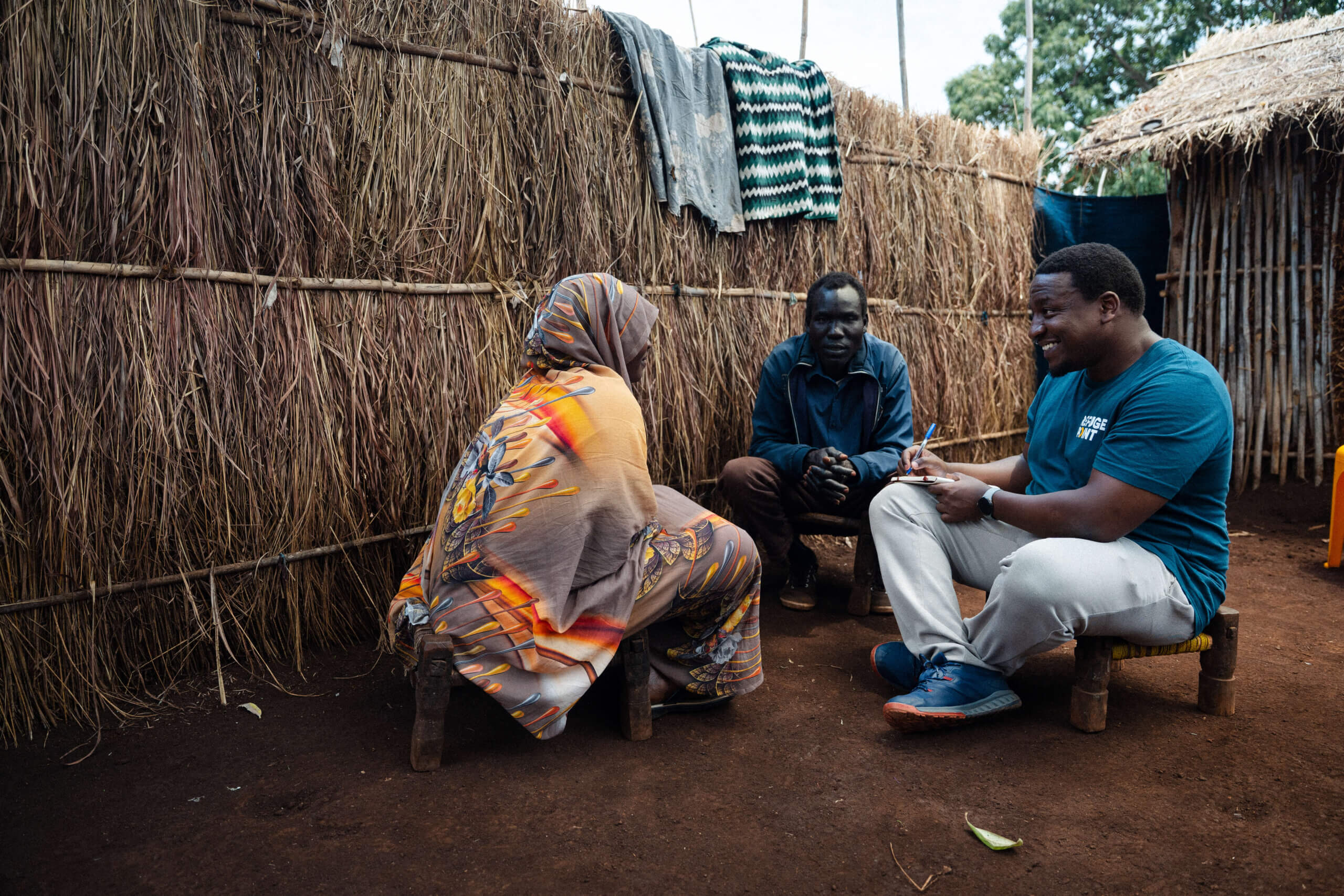
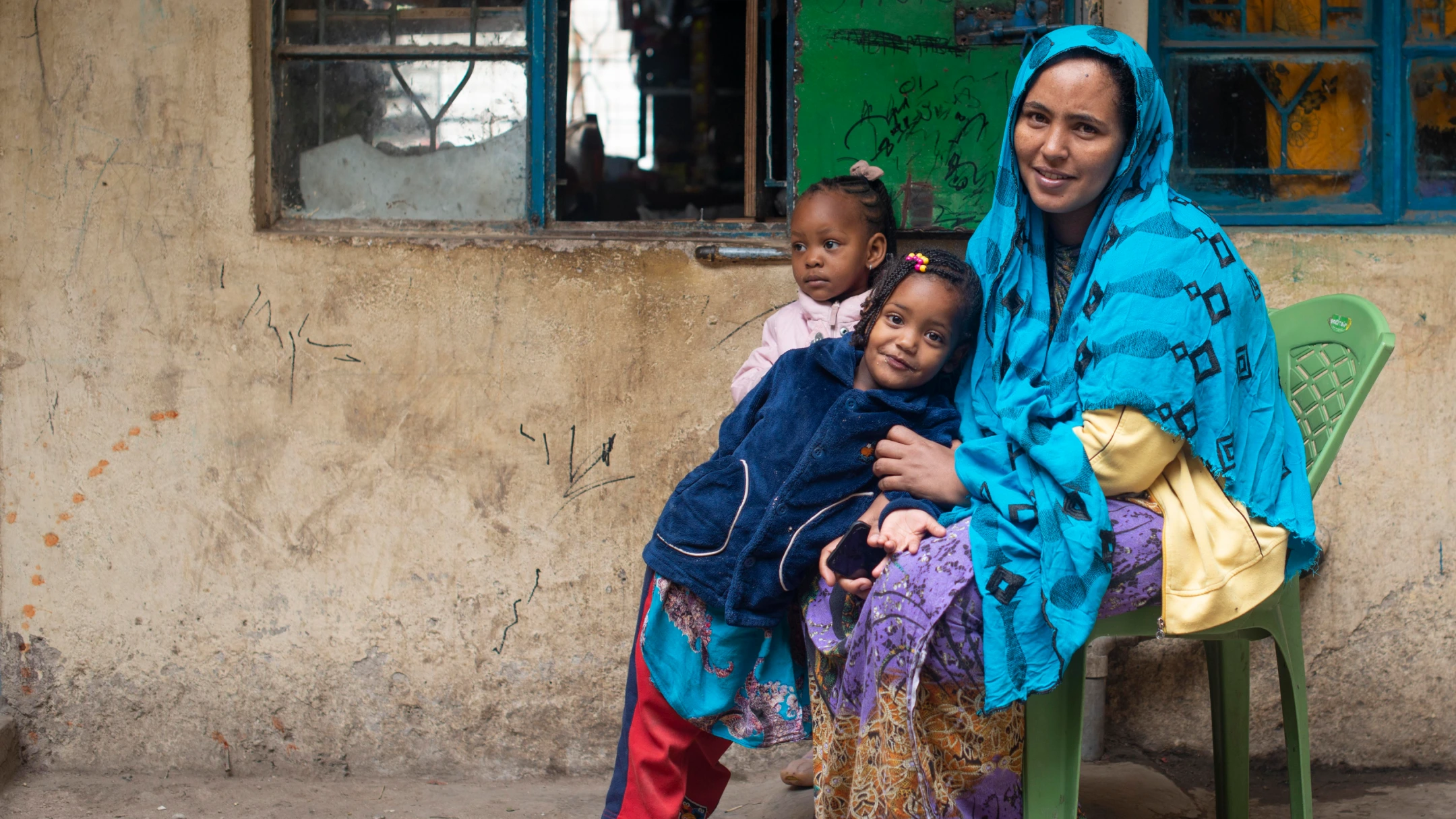
Kenya’s urban areas are home to over 116,000 refugees, most of whom live in the capital city of Nairobi. Unlike those in refugee camps, these urban refugee communities receive very little support from aid organizations.
RefugePoint was founded in 2005 to support urban refugees who were underserved by other humanitarian organizations. Since that time, we have made it a priority to uplift and partner with groups doing similar work, particularly those led by urban refugees themselves, such as refugee-led organizations (RLOs) and community-based organizations (CBOs).
RLOs and CBOs in Nairobi, Kenya, provide vital services to urban refugees, including basic support (such as food, rent, and clothing); targeted support for women and girls; vocational and computer training; language, literacy, and cultural programs; business and career support; and safe housing for LGBTIQ+ refugees. Yet, despite their leadership, RLOs led by women continue to face steep barriers when seeking funding, visibility, or a seat at decision-making tables.
RefugePoint has therefore been working alongside CBOs and RLOs since 2021 to expand access to training, strengthen organizational systems, and foster peer learning. Through this work, a pattern became increasingly clear: women-led groups contribute significantly to their communities, but are rarely represented at policymaking tables or successful in progressing beyond the early stages of funding and partnership processes. This raised the question: what structural barriers are holding women-led groups back, and how can we work together to address them?
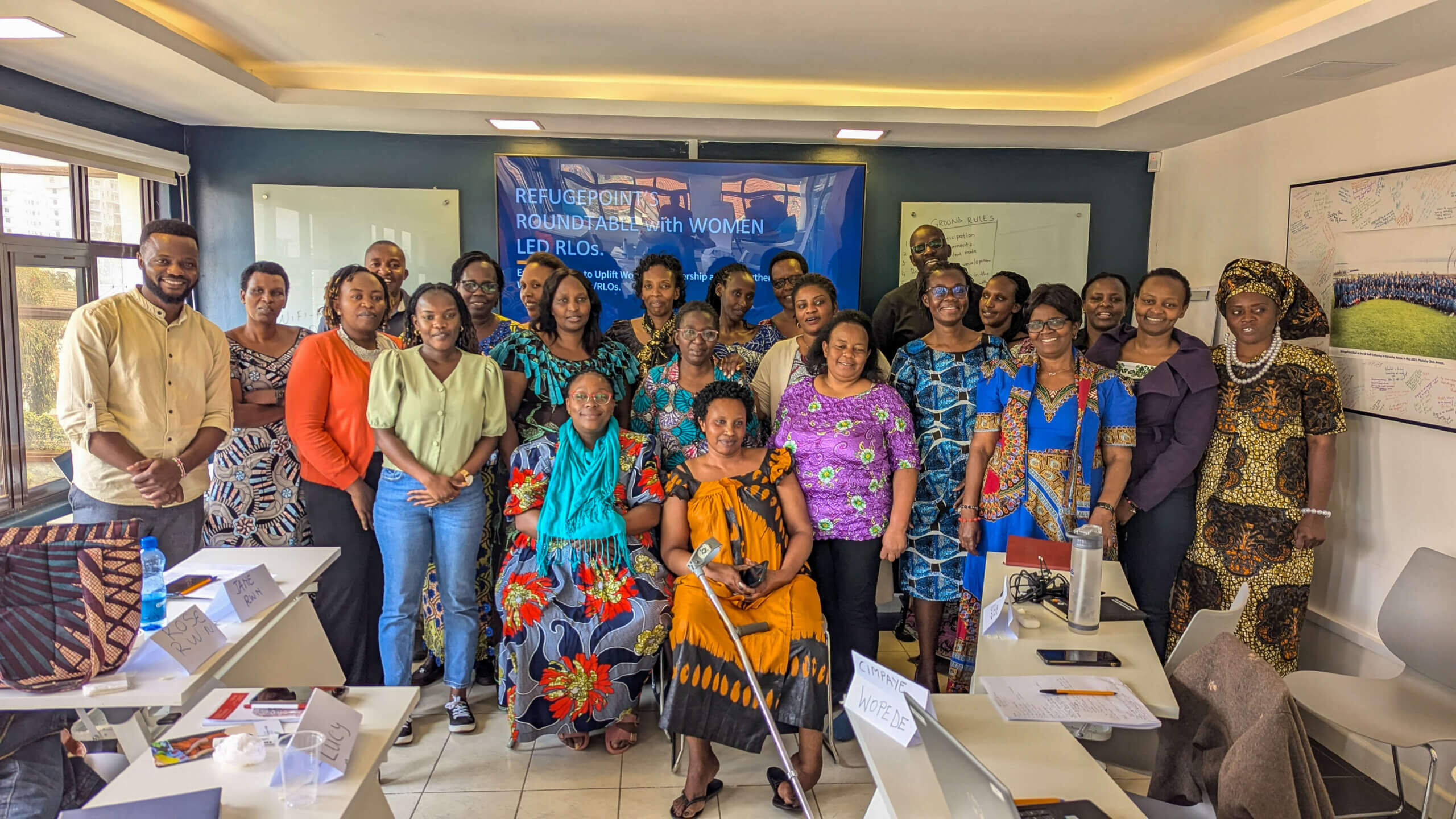
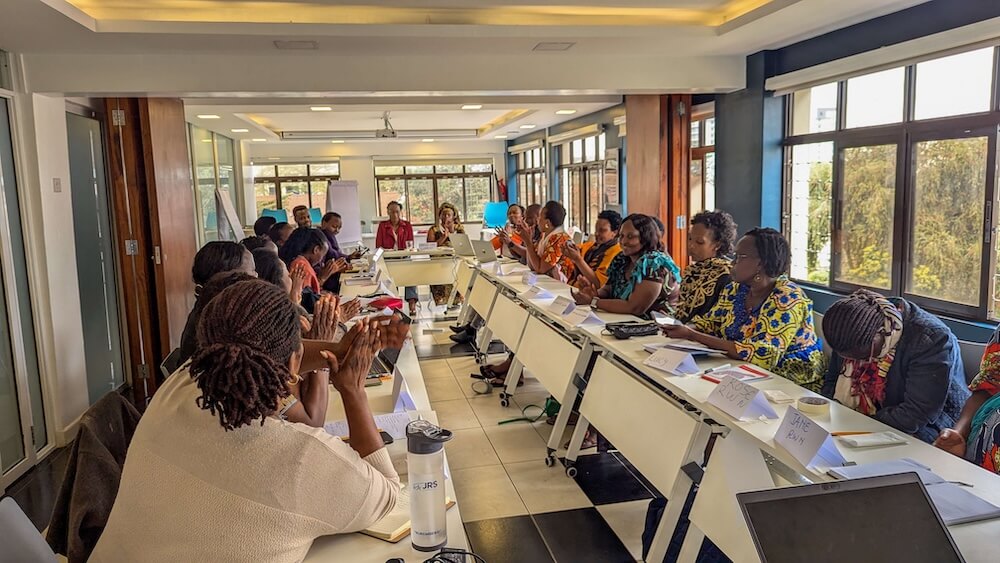
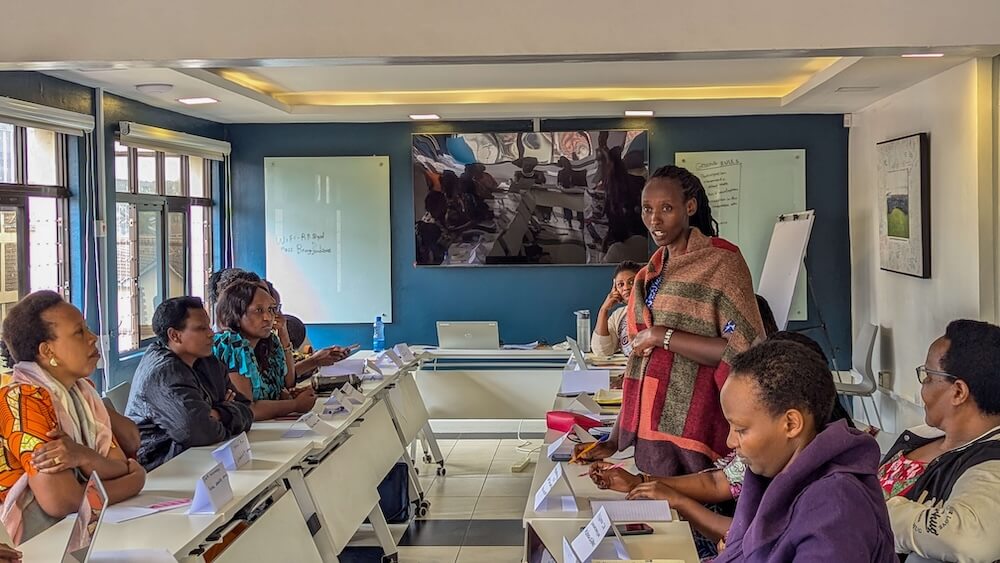
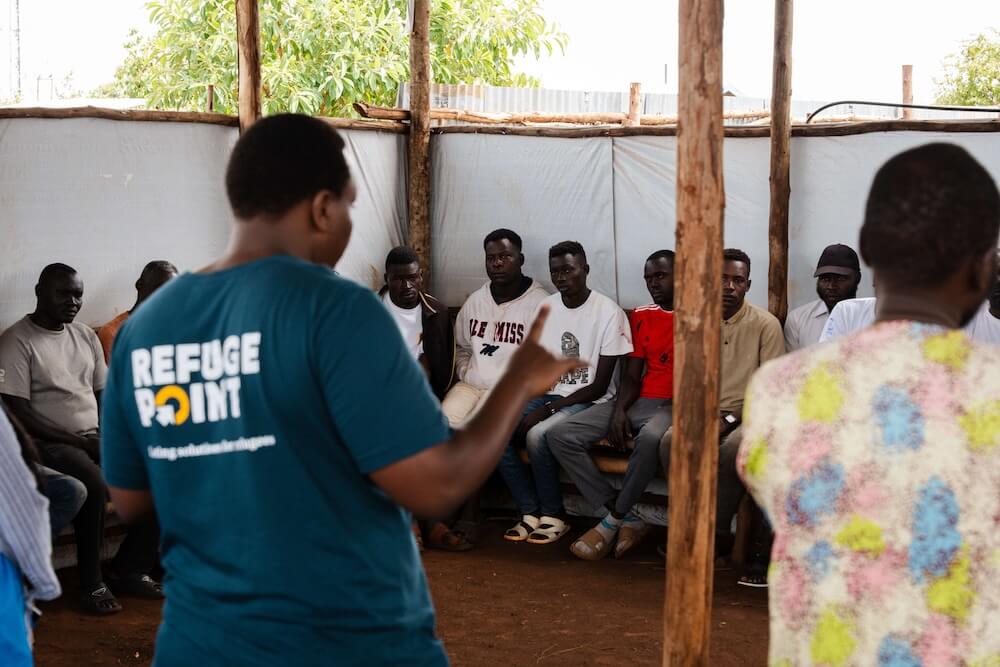
To explore this more deeply, RefugePoint convened a roundtable in September, bringing together 14 women leaders from five women-led CBOs and RLOs, as well as partners from the United Nations High Commissioner for Refugees (UNHCR), Hebrew Immigrant Aid Society (HIAS), the Refugee Consortium of Kenya (RCK), and the Foundation for Health and Social Economic Development (HESED). The conversation offered a candid look at the conditions shaping women’s leadership in refugee communities, and helped develop practical ideas for change.
What Women Leaders Shared: Barriers Faced
During the discussion, leaders spoke openly about the structural and social constraints they navigate, including how gender dynamics compound the impact of barriers faced by other RLOs in Nairobi. Six themes surfaced consistently:
Limited access to leadership and coordination forums
Many women leaders described being absent from key meetings—not for lack of interest on their part, but because invitations rarely reach them or come too late to participate meaningfully.
Unclear or emerging governance structures
Several groups are early in their organizational development and operate informally. Without formal policies, clear roles, or documentation, they face challenges when applying for funding or forming partnerships.
Technical capacity gaps
Skills such as financial management, report writing, and strategic communication were identified as areas where targeted support would make a substantial difference.
Language barriers
Limited English proficiency restricts participation in training, collaboration, and advocacy spaces.
Social and cultural expectations
Traditional gender roles and unpaid volunteer work can create tension when women juggle leadership responsibilities alongside family care.
Limited visibility and networks
Many groups lack a digital presence or clear identity as CBOs or RLOs. Without strong networks, they have fewer opportunities for peer support or collective advocacy.
These challenges, shared across organizations, illuminated the need for sustained support targeted for women leaders—developed and implemented in partnership with women leaders themselves.
Emerging Priorities: Solutions Proposed by Women Leaders
After identifying barriers, the leaders also presented clear ideas for change. Among the priorities identified:
A women-led network
Participants emphasized the value of a dedicated platform that unifies both refugee and host country women leaders across Kenya, strengthens coordination, and supports shared advocacy.
Mapping and a centralized database
Documenting women-led CBOs and RLOs would help partners identify and engage with existing organizations while enabling stronger collaboration among the groups themselves.
Peer-led language and leadership training
Leaders called for expanded opportunities to build skills in governance, reporting, communication, and English language proficiency, designed and delivered in ways that reflect their realities.
Early leadership development
Participants highlighted the importance of supporting adolescent girls and young women to cultivate leadership skills, confidence, and opportunities from an early stage.
Mutual support and solidarity
Women leaders expressed a strong commitment to supporting one another through shared resources, experience, and mentorship. Peer learning was described as not just helpful, but essential.
How Partners Can Help Shift the Landscape
Conversations also focused on what equitable partnership looks like in practice. Leaders underscored the need for support that goes beyond occasional trainings or invitations.
Key opportunities include:
Creating pathways for women leaders to participate meaningfully in national, regional, and global forums on refugee needs and responses.
One challenge identified was a lack of Convention Travel Documents (CTDs) for women leaders, which restricts their participation in regional and international engagements. Partners are encouraged to advocate and lobby the Government and UNHCR to prioritize and fast-track the issuance of CTDs for women leaders within shorter and predictable timeframes.
Women leaders invited to attend international conferences often lack the financial resources required to participate fully. There is a need for partners and donors to provide comprehensive financial support—including travel, accommodation, and subsistence—to ensure equitable representation and meaningful participation.
Offering targeted, flexible funding and technical support that aligns with each organization’s stage of growth.
It is recommended that a dedicated, flexible (unrestricted) grant mechanism be created to support women leaders in implementing their programmatic activities.
Such a grant facility would enhance the autonomy, responsiveness, and sustainability of women-led initiatives.
Recognizing refugee women leaders as experts with deep contextual knowledge.
Strengthening coordination mechanisms that include women-led grassroots groups.
These shifts would not only strengthen women-led organizations but also enrich the broader humanitarian and development landscape.
Commitments and Next Steps
RefugePoint will continue engaging with women-led RLOs to translate the roundtable’s insights into practical next steps. Initial priorities include:
Supporting the creation of a women-led network for refugees.
Collaborating with leaders to create a database of women-led organizations.
Piloting a tailored mentoring and capacity-strengthening track for women-led RLOs in 2026.
Advocating with donors and partners for direct funding and inclusive participation.
Integrating these insights into RefugePoint’s broader strategy on refugee-centered leadership.
This work will be shaped by ongoing dialogue, ensuring that decisions and next steps continue to reflect the priorities of the women leading these organizations.
Moving Forward Together
The roundtable reaffirmed what many already know: women in refugee communities are leading critical work every day, often with limited resources and little recognition. RefugePoint is committed to working toward removing the barriers that stand in their way and building pathways that honor their expertise.
The commitments made during this gathering mark an important step toward more inclusive, collaborative, and sustainable leadership. And while much remains to be done, the direction is clear: the future of refugee leadership is already being shaped by women who are organizing, advocating, and building solutions from within their own communities.
RefugePoint envisions an inclusive world where all refugees can safely build stable, connected, and thriving lives. Our Theory of Change (ToC) shows how we’re turning that vision into action. The...
Over the past year, the world has shifted in ways that have made life far more dangerous and uncertain for refugees. Support systems that once offered stability are eroding: global...
This week marks the 2025 Global Refugee Forum Progress Review in Geneva, Switzerland: a time for the international community to take stock of our progress on the pledges that we...
Join Our Community
Stay in the know about our work with refugees: get refugee stories, events, RefugePoint news, and more delivered right to your inbox.
Subscribe to get refugee stories, events, RefugePoint news, and more delivered right to your inbox.
By subscribing you agree to with our Privacy Policy & provide consent to receive updates from Refuge Point.
Give hope by supporting refugees today
Your gift will be used to deliver lasting solutions for refugees around the world, and help them rebuild their lives in safety.