


Building Self-Reliance Through Community Mental Health
Refugees are often trying to rebuild their lives in a new country while also dealing with the toll that persecution and displacement have taken on their mental health. Mental health...

RefugePoint, along with more than 25 partners as part of the Refugee Self-Reliance Initiative (RSRI) is excited to launch the first-ever global tool, called the Self-Reliance Index (SRI), to measure the progress of refugee households on their path to self-reliance.
Most refugees tell us that they want to “stand on their own feet” — to take care of their own needs and those of their families. The social and economic ability of a household to sustainably meet its own essential needs is what we refer to as self-reliance. Since our founding in 2005, RefugePoint has been working with urban refugees in Nairobi on their journey towards self-reliance. We saw that the vast majority of refugees have few long-term options, in terms of returning home or resettling elsewhere. For that reason, we believe that we must help make refugees’ lives better where they are now, in their current host countries, which is what we’ve been doing in Nairobi for many years. Along the way, we’ve been perfecting the approaches and tools that we use. In particular, we developed a self-reliance measurement tool to help inform our programming and chart the progress of our refugee clients.
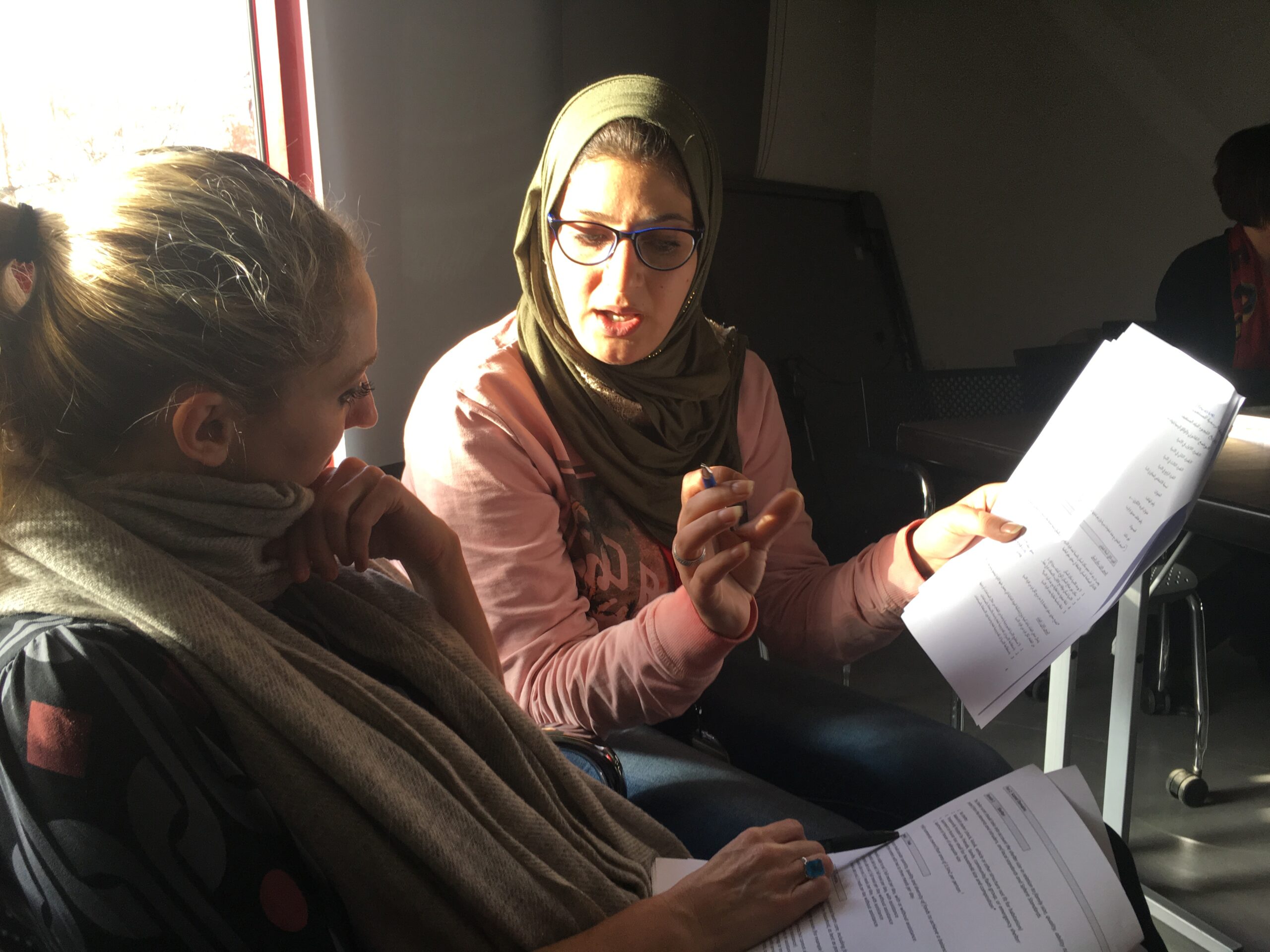 Piloting the Self-Reliance Index in Jordan with Mercy Corps.
We saw how useful that tool was, so we took that knowledge and began working with the larger humanitarian community to develop this new global Self-Reliance Index. In 2018, RefugePoint and the Women’s Refugee Commission, co-launched and began leading the Refugee Self-Reliance Initiative (RSRI), to work on developing the tool and to expand self-reliance opportunities for refugees.
Measuring a refugee household’s progress towards self-reliance has always been challenging, as refugees’ lives, like everyone’s lives, are complicated. Designing a tool that is short and simple to use is tricky when listening to the complex situations in which displaced people find themselves. This tool looks at 12 key areas of a refugee household to identify gaps and chart their progress towards self-reliance: Housing, Food, Education, Healthcare, Health Status, Safety, Employment, Financial Resources, Assistance, Debt, Savings, and Social Capital. We’ve tested the SRI for over three years, with over 200 client households in Ecuador, Jordan, Kenya, and Mexico.
We designed the Self-Reliance Index to help humanitarian organizations enhance the social and economic ability of refugees to meet their needs sustainably and to withstand environmental shocks like economic crises or a global pandemic. We expect that the Self-Reliance Index will improve refugee response, help connect funders with the most effective, evidence-based approaches for enhancing refugee self-reliance opportunities, and, most importantly, help more refugees improve their lives. We hope that by measuring progress towards self-reliance, we can improve our efforts to help refugees to achieve it.
Learn more about the Self-Reliance Index.
Download the Self-Reliance Index.
Self-Reliance Index Press Release.


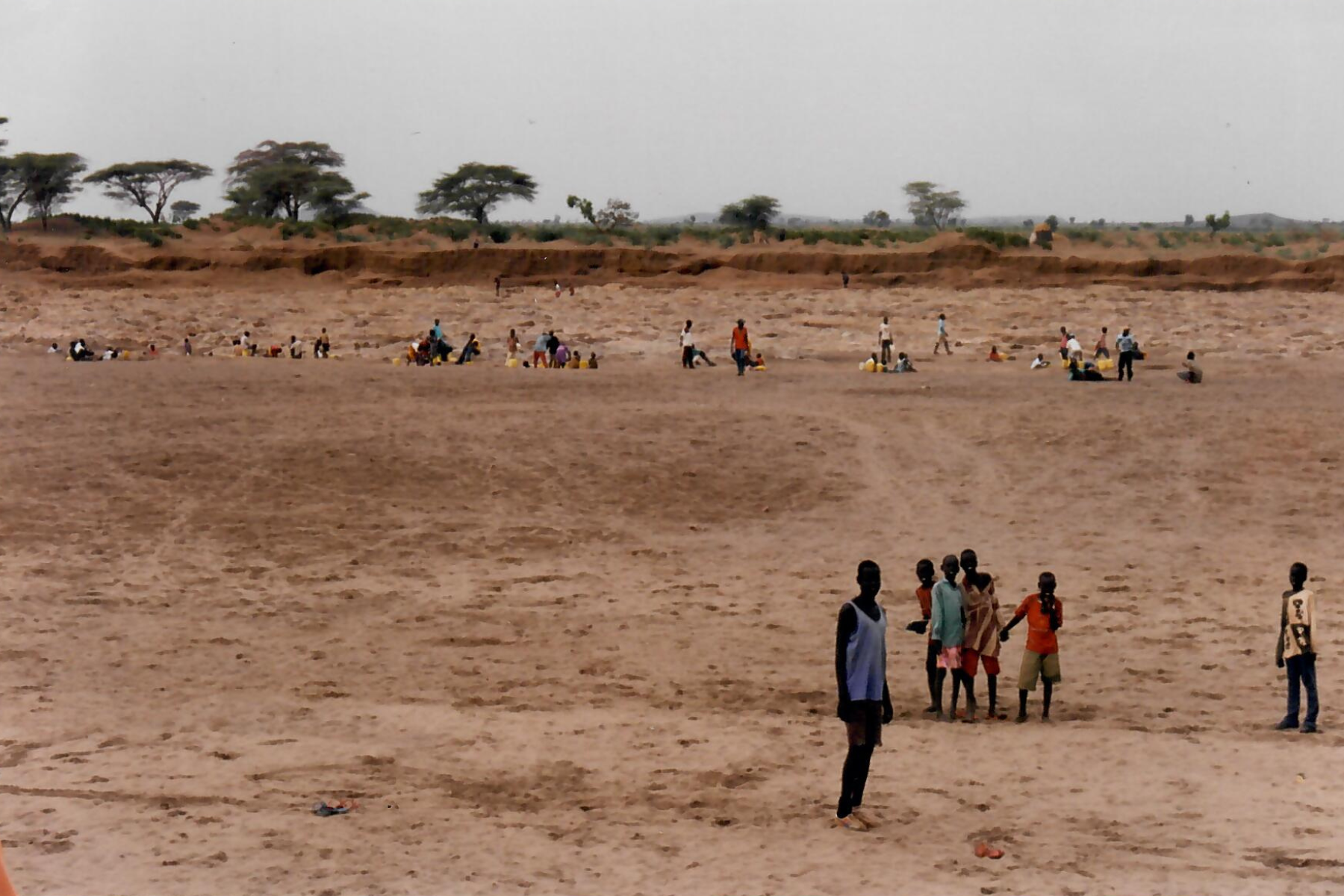

Make a gift to deliver lasting solutions for refugees and help them to build new lives.
By subscribing you agree to with our Privacy Policy & provide consent to receive updates from Refuge Point.
Your gift will be used to deliver lasting solutions for refugees around the world, and help them rebuild their lives in safety.
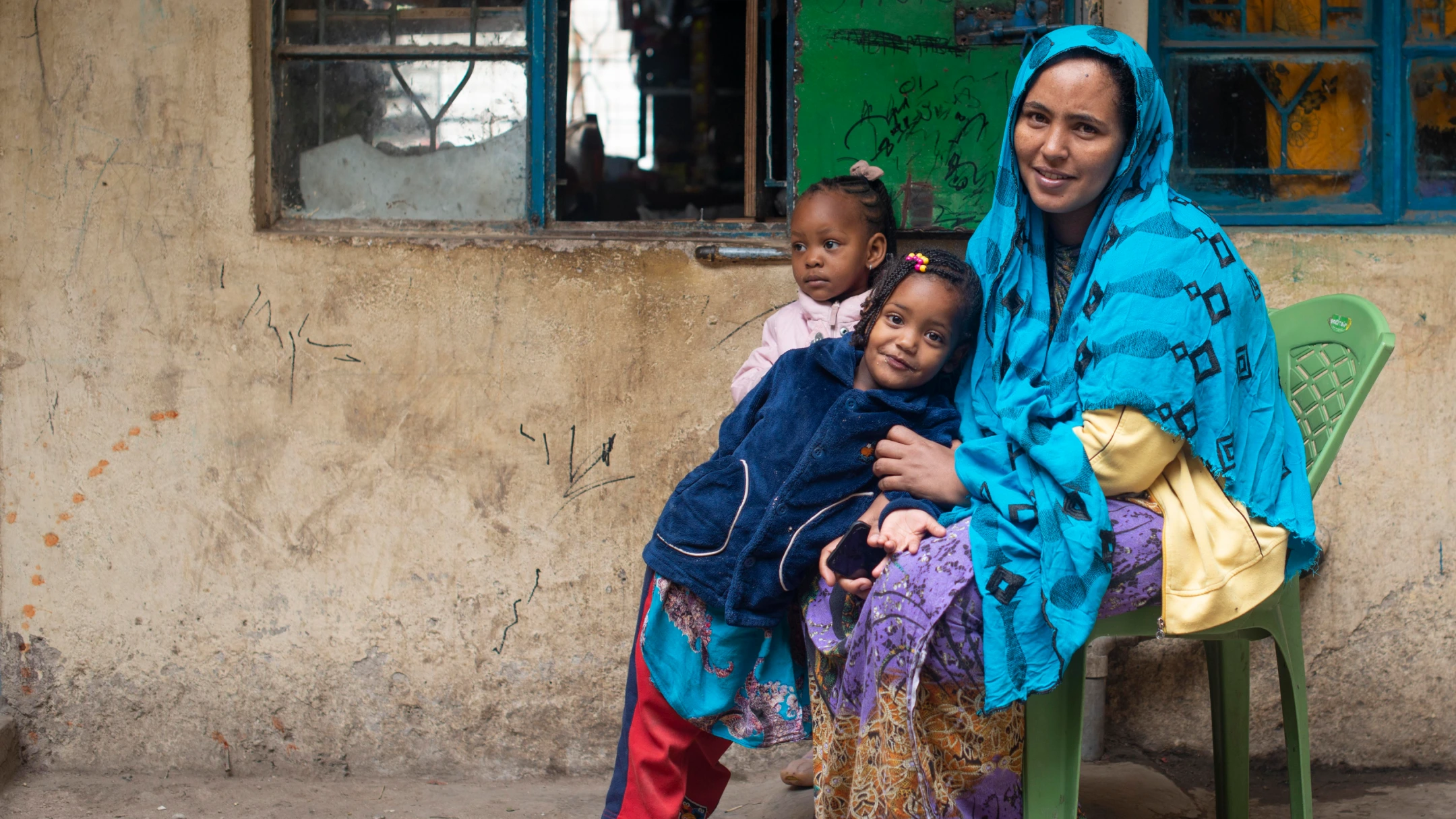
Stay in the know about our work with refugees: get RefugePoint news, refugee stories, events, and more delivered right to your inbox.
This site is protected by reCAPTCHA and the Google Privacy Policy and Terms of Service apply.
